PDF guide · 44 pages
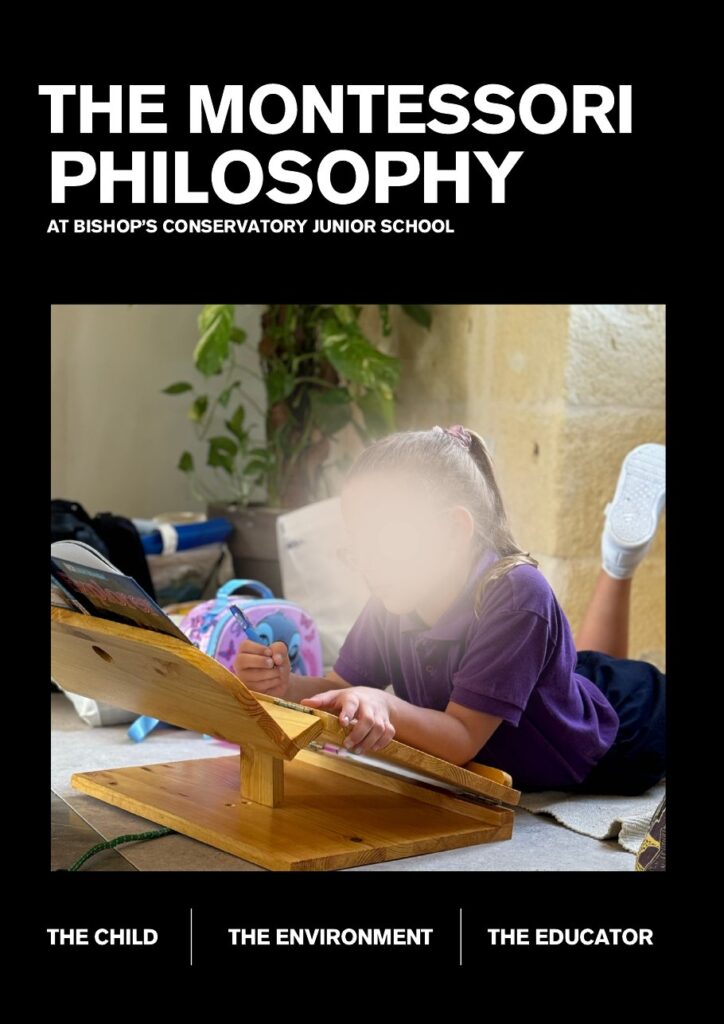
The Montessori Philosophy
The ideas behind the Montessori method and how they shape everyday learning at BCJS.
Read the guide
Academic Programme
The school is divided into two main sectors namely Early Years (from Kinder to Year 2), and Upper Years (from Year 3 to Year 6). The Curriculum is continuously being aligned to reflect not only the latest National Curriculum Framework but also the National Education Strategy and other advances in the world of education.
from Kinder to Year 2
In September 2019, in Kinder, BCJS adopted the Montessori method, ethos and philosophy within the Kinder environment. The Montessori Method developed by Dr Maria Montessori (1870 – 1952) is centred upon the belief that one should provide the most positive and harmonious environment, nurturing the child’s holistic development through independent learning. This ultimately lays the foundations for a rich lifetime and love of learning and exploring.
Children are treated as individuals, respected and empowered to learn and explore the rich environment at their own pace. Through careful daily observations from the educators the child’s current needs and interests are facilitated in our preparation of the environment and activities within it. This means the environment and activities are ever changing and evolving to support the individuals within the setting.
The learning activities are finely tuned, hands-on and specifically designed to guide the child through all areas of the curriculum, fostering creativity, sustained shared thinking and active learning. These are freely available for the children to learn and explore, creating a dynamic learning process, guided and encouraged by the educator. Introductions to new activities are presented to children, mostly on a one-to-one basis at the relevant stage of the individual. The child is then free to independently repeat activities as required to explore and refine each concept and skill in line with their interests and needs.
How we teach
Guides and short films prepared by our educators, showing how the Montessori approach works in our classrooms.
PDF guide · 44 pages
The ideas behind the Montessori method and how they shape everyday learning at BCJS.
Read the guideVideo
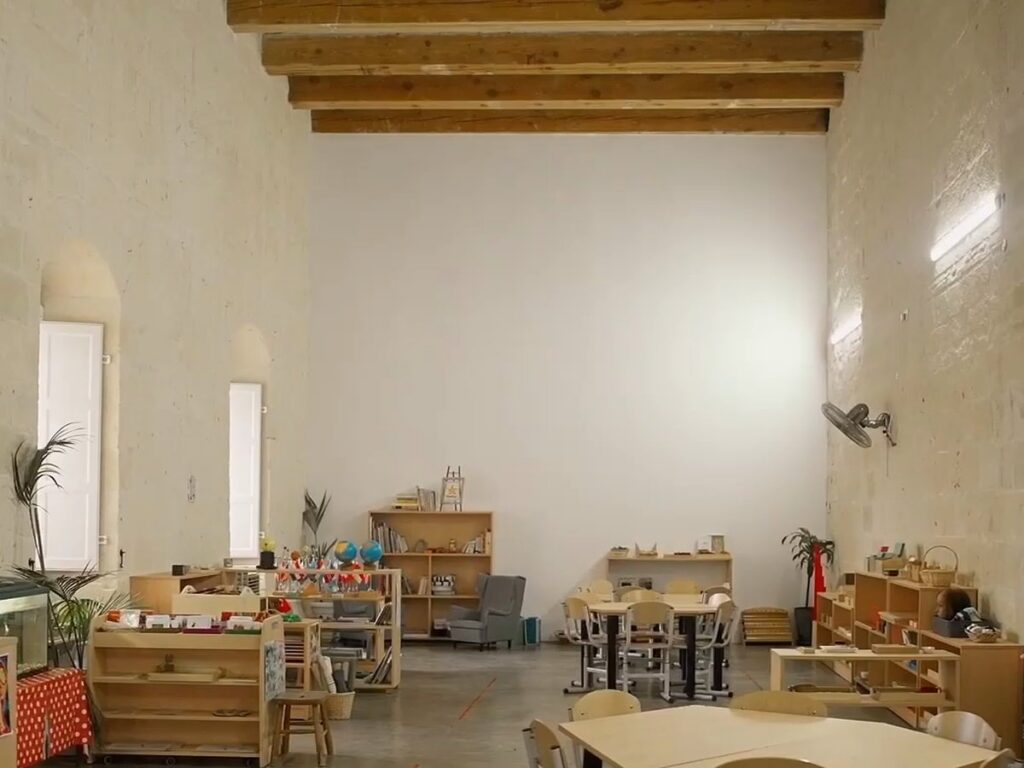
A look at how our classrooms are prepared so that children can learn independently.
PDF guide · 60 pages
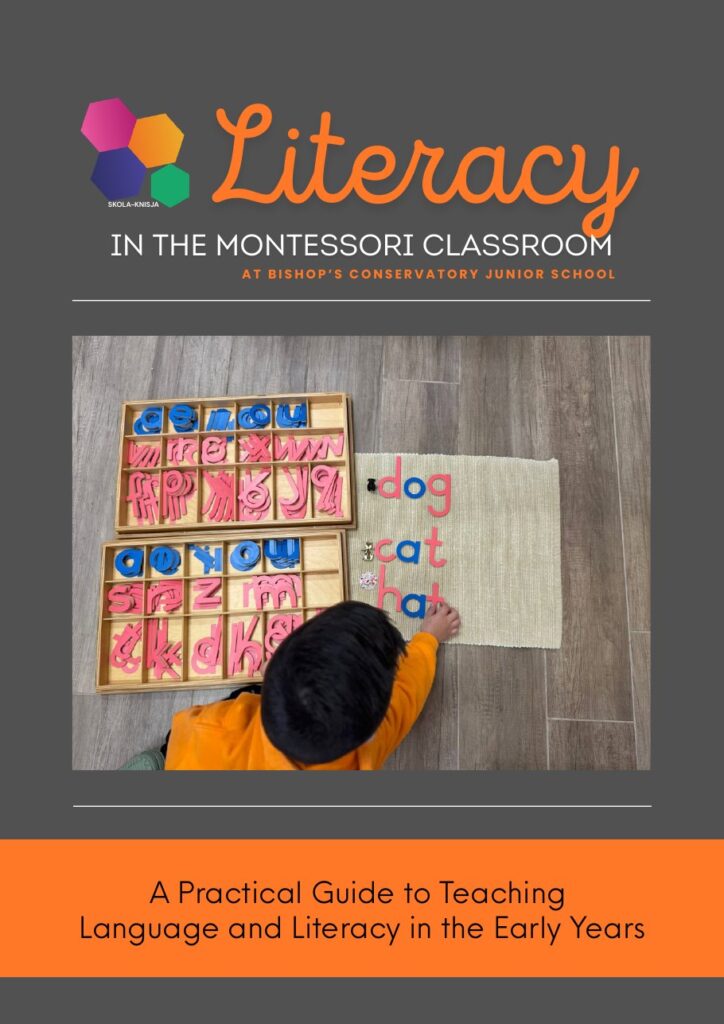
Our Literacy Curriculum: a practical guide to teaching language and literacy in the early years.
Read the guideVideo · Literacy
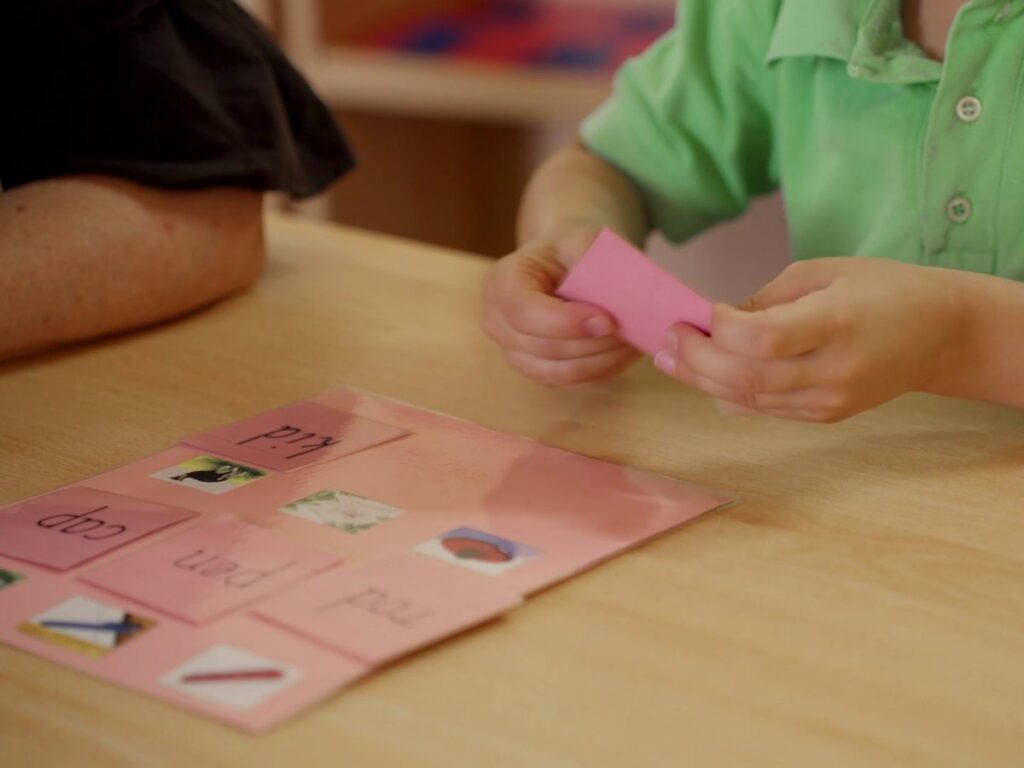
How we teach CVC (consonant–vowel–consonant) words, step by step.
PDF guide · 44 pages
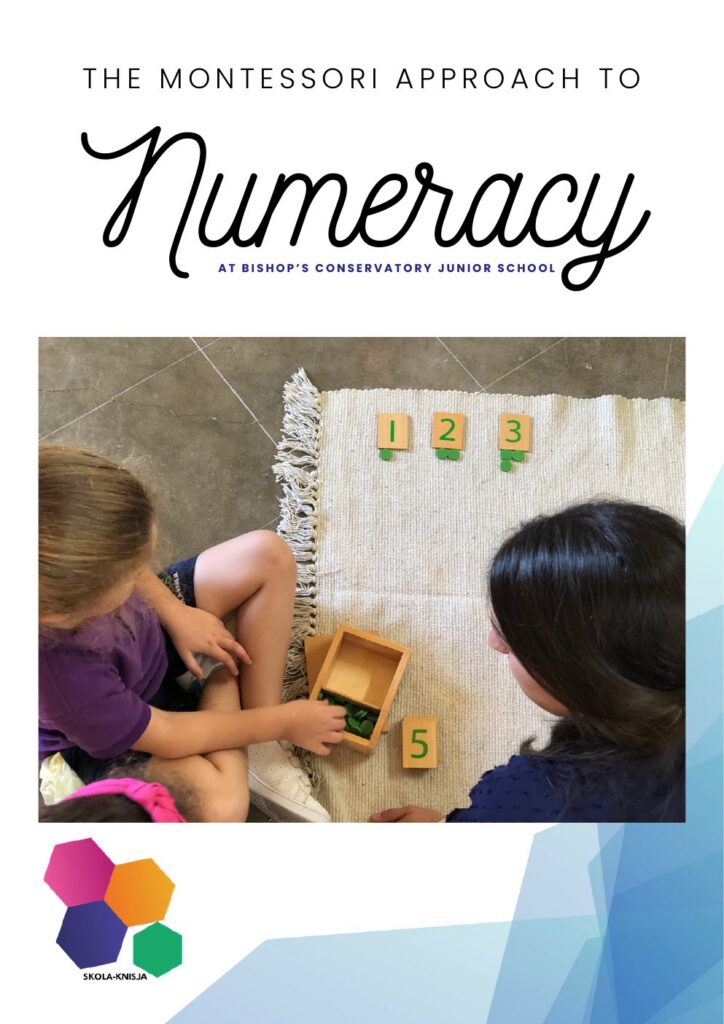
Our Numeracy Approach: A practical guide to teaching numeracy in the Early Years
Read the guideVideo · Numeracy · 9 min
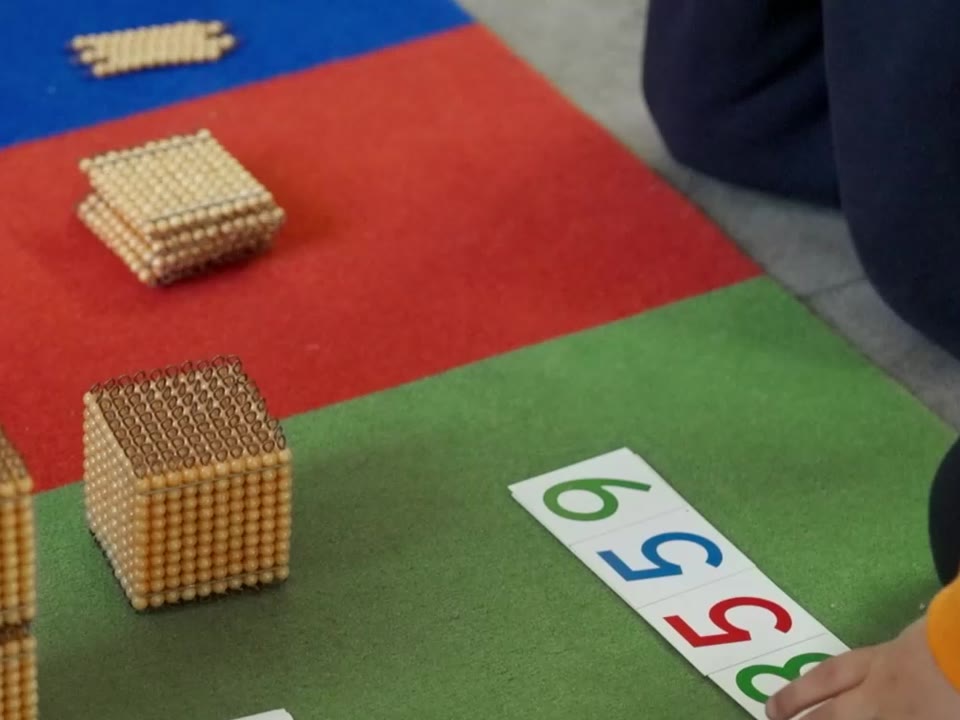
How children move from the golden beads to written sums, building a real understanding of addition.
from Year 3 to Year 6
In the Upper Years, we recognise the critical importance of providing a comprehensive educational experience that goes beyond traditional classroom instruction. Holistic education encompasses not only academic excellence but also the development of social, emotional, and practical life skills.
Research consistently demonstrates that children in these formative years thrive when they can connect their classroom learning with real-life experiences. It is through this integration that they deepen their understanding, enhance their critical thinking skills, and foster a genuine passion for learning.
To ensure that we embrace this holistic approach, our school has implemented a curriculum that transcends the confines of textbooks and classrooms. After covering particular themes or topics, our children are actively engaged in projects that are intricately linked to real-world contexts. These projects enable them to apply theoretical knowledge in practical scenarios, thus bridging the gap between theory and reality.
By immersing themselves in these life-related projects, our children not only consolidate their learning but also develop invaluable skills such as problem-solving, collaboration, and creativity. Whether it’s exploring scientific concepts through hands-on experiments or engaging in community service initiatives, our children are empowered to become active participants in their own learning journey.
We firmly believe that by nurturing a learning environment where academic rigour is complemented by real-world application, we equip our children with the tools they need to thrive in an ever-changing world.